
Planning a wedding requires aligning multiple professionals to create one seamless experience, and coordination between planners and caterers is especially critical. When working with wedding buffet catering, the success of your event depends on how well these teams communicate and execute together. From the first consultation to the final service, every detail—from menu timing to guest flow—must be carefully planned. A well-coordinated approach ensures that guests enjoy not only great food but also a smooth and stress-free celebration.
Start with a Unified Planning Approach
The first step in effective coordination is bringing your wedding planner and caterer together early in the process. Instead of treating them as separate vendors, they should function as a collaborative team. This allows both parties to understand the overall vision, theme, and expectations of the wedding.
During initial discussions, share details such as guest count, venue constraints, cultural preferences, and service style. Establishing a shared understanding helps prevent miscommunication later. Regular updates and scheduled meetings keep everyone aligned, ensuring that decisions made by one party are communicated clearly to the other.
Design a Menu That Matches the Event Flow
The buffet menu is more than just a list of dishes—it plays a central role in shaping the guest experience. When planning wedding buffet catering, it is important to ensure that the menu complements the event timeline and overall atmosphere.
Work closely with both your planner and caterer to determine how the food will be presented and served. Consider factors such as:
The number of buffet stations needed
The variety of dishes to suit different preferences
Dietary restrictions and allergen considerations
A well-structured menu ensures that guests move smoothly through the buffet while enjoying a balanced and satisfying meal.
Align Timelines for Smooth Execution
Timing is one of the most critical aspects of wedding coordination. Your planner will typically create a detailed event schedule, but it is essential that the catering team is fully integrated into this timeline.
Food service should align with key moments such as speeches, performances, and transitions between ceremony and reception. Delays or poor timing can disrupt the entire flow of the event. Clear communication ensures that the catering team knows exactly when to prepare, serve, and clear each course, maintaining both efficiency and food quality.
Plan Logistics and Space Utilization Carefully
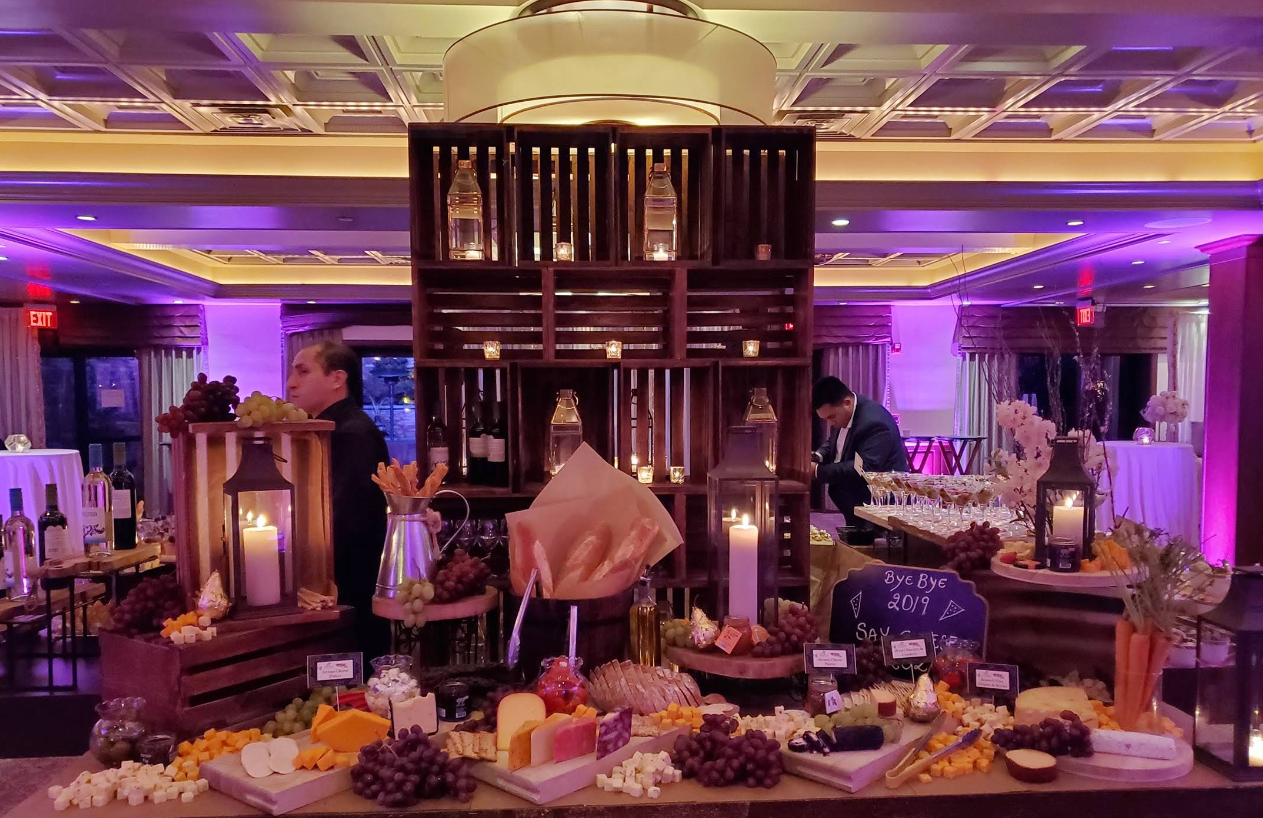
Buffet-style catering requires thoughtful planning of space and logistics. The layout of food stations, seating arrangements, and service areas must be designed to avoid congestion and ensure a smooth guest experience.
Your planner and caterer should collaborate on:
Placement of buffet tables for easy access
Adequate spacing to manage guest flow
Kitchen or prep area requirements
Staffing needs for refilling and maintenance
Incorporating strategies used in high-efficiency setups like corporate lunch catering NYC can be helpful, especially when managing large guest counts. These approaches prioritize speed and organization, which can enhance the overall service experience at a wedding.

Focus on Guest Experience and Comfort
A successful wedding is one where guests feel comfortable and well taken care of. Buffet catering offers flexibility, but it must be managed carefully to maintain a sense of order and elegance.
Your planner and caterer should work together to ensure:
Lines move efficiently without long waiting times
Food is consistently replenished and presented well
Staff are available to assist guests when needed
When executed properly, wedding buffet catering creates a relaxed yet organized environment where guests can enjoy their meals at their own pace without feeling rushed or overwhelmed.
Conduct a Final Walkthrough Before the Event
As the wedding day approaches, a final walkthrough with your planner and caterer is essential. This step allows everyone to review the setup, confirm logistics, and address any last-minute concerns.
During the walkthrough, revisit:
Buffet placement and layout
Service timelines
Staffing responsibilities
Backup plans for unexpected situations
This level of preparation ensures that all teams are confident and ready, reducing the likelihood of issues on the day of the event.
Make Coordination the Key to Your Perfect Wedding!
Effective coordination between your planner and catering team is the foundation of a successful celebration. By focusing on communication, timing, and thoughtful planning, you can ensure that every detail is executed flawlessly. When planning wedding buffet catering, taking a collaborative approach will help create a dining experience that is both enjoyable and memorable. Start early, stay organized, and work closely with your team to turn your wedding vision into reality.













Write a comment ...