
Planning a buffet menu for a wedding can feel like walking a fine line between offering enough variety and overwhelming guests with too many choices. Couples want their celebration to feel abundant and thoughtful, but also smooth and easy to navigate. When done right, wedding buffet catering creates an inviting dining experience where every guest finds something they love without confusion or long wait times. The secret lies in strategic planning, thoughtful menu structure, and a clear understanding of guest preferences.
Understand Your Guest Profile First
Before choosing dishes, take time to consider who will be attending your wedding. A guest list that includes multiple generations, cultural backgrounds, or dietary needs requires more thoughtful planning than a small, uniform group.
Think about factors such as:
Dietary restrictions like vegetarian, vegan, gluten-free, or nut-free preferences
Cultural or religious considerations that influence food choices
Age groups that may prefer mild versus bold flavors
This foundational understanding allows you to design a buffet menu that feels inclusive while avoiding unnecessary duplication of similar dishes.
Choose One Clear Theme or Flavor Direction
One of the easiest ways to avoid menu overload is to anchor your buffet around a central theme or cuisine style. This does not mean limiting creativity, but rather guiding it. A Mediterranean-inspired buffet, a classic American comfort menu, or a fusion-style spread all create cohesion.
When dishes are tied together by flavor profiles, ingredients, or cultural influences, guests experience the buffet as curated rather than chaotic. This approach also simplifies preparation and service, making the overall event flow smoother.
Balance the Core Categories Thoughtfully
Every successful wedding buffet catering follows a basic structure. Instead of adding endless options, focus on building balance within key categories:
Proteins: Offer two to three well-chosen options, such as one poultry, one meat, and one vegetarian entrée.
Carbohydrates: Include one or two starches like rice, potatoes, or pasta that complement the main dishes.
Vegetables: Provide at least two vegetable sides, mixing one hearty and one lighter option.
Salads and Cold Items: Keep these refreshing and simple to contrast the warm dishes.
By refining the categories rather than multiplying choices, you create variety without clutter.
Add Customization Without Adding Complexity
Customization does not have to mean more dishes. Instead, consider interactive elements that allow guests to personalize their plates without expanding the menu size.
For example:
A sauce station with three to four flavor options for proteins
A toppings bar for salads or sides
Condiment pairings that let guests adjust spice levels
These small touches create the feeling of abundance while keeping kitchen logistics under control.
Use Portion Strategy to Encourage Flow
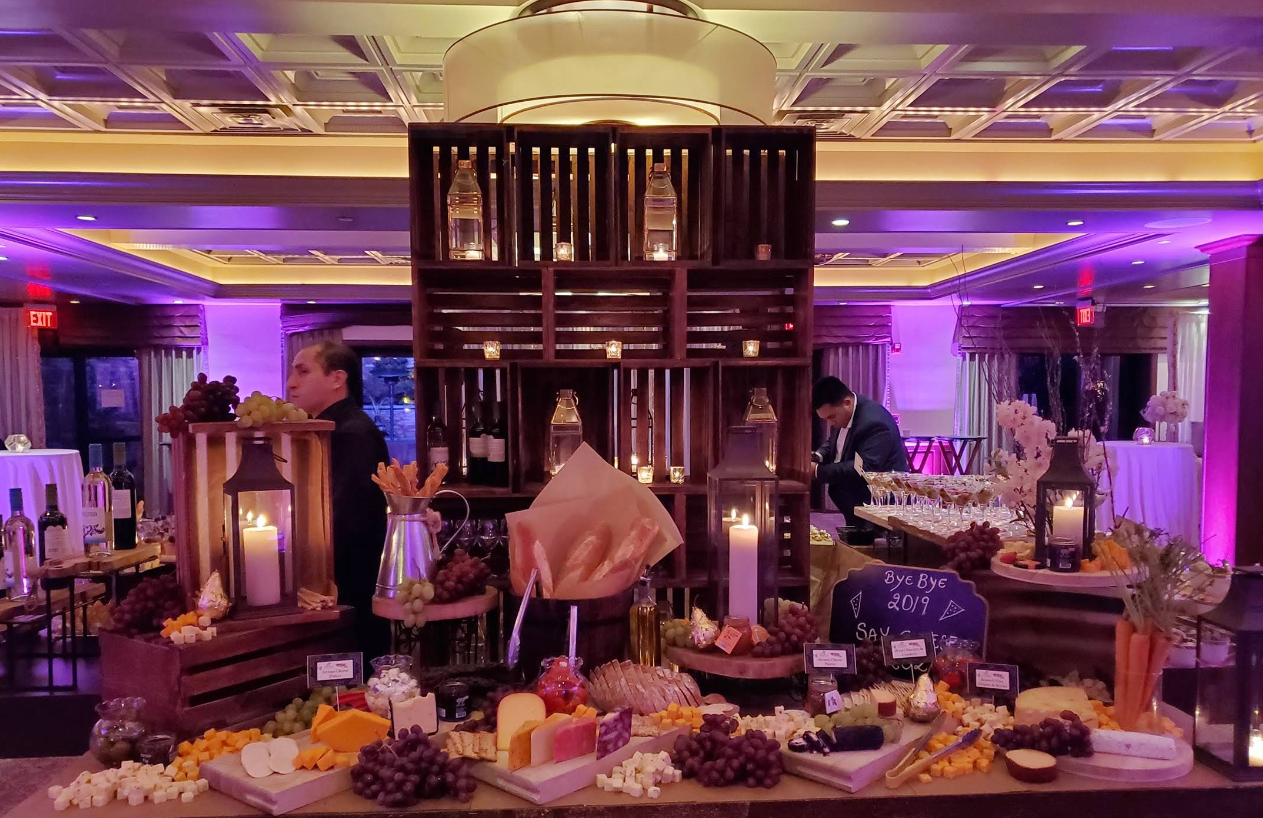
Buffet variety is not only about what is served, but also how it is served. Large trays of similar-looking items can overwhelm guests visually. Breaking items into smaller serving dishes, spacing stations strategically, and labeling each dish clearly helps guests move efficiently through the buffet.
Staggering heavy and light dishes also prevents crowding at a single station. When guests can navigate easily, they enjoy the experience more and return for seconds without congestion.
Plan Seasonal and Local Pairings
Seasonality naturally limits choices in a positive way. Instead of forcing out-of-season ingredients into your menu, lean into what is fresh and abundant at the time of your wedding. Seasonal produce, herbs, and proteins not only taste better but also simplify menu decisions.
Seasonal planning reduces the urge to add extra dishes because each selection feels intentional and timely.
Avoid Redundant Dishes
Variety does not mean repetition. Two creamy pastas, three similar chicken dishes, or multiple rice sides often compete rather than complement. Instead, aim for contrast:
Light versus rich
Crunchy versus soft
Mild versus bold
This contrast keeps the buffet interesting while maintaining a controlled number of offerings.
Test the Menu Before Finalizing
A tasting session is essential for refining your buffet. It allows you to:
Evaluate portion sizes
Compare similar dishes and eliminate redundancies
Adjust seasoning for mass service
Identify which items truly add value to the spread
Tastings prevent overdesigning the menu and help you lock in a balanced, efficient selection.

Create a Buffet Guests Will Remember!
Designing a wedding buffet catering that feels generous without being excessive is an art. With thoughtful planning, seasonal awareness, and professional guidance, you can deliver a dining experience that is both elegant and efficient. The goal is not to impress guests with volume, but with cohesion, flavor, and ease of service.
If you are preparing for a celebration and want expert support in crafting the perfect catering experience, connect with a professional catering team today. A well-balanced buffet will not only satisfy your guests—it will elevate your entire wedding celebration.








Write a comment ...